
Right now, your brain is doing far more than helping you read this article.
It is processing visual information, recognizing language, directing attention, accessing memories, and regulating your body. Most of these processes happen without conscious effort.
That is what makes the brain difficult to understand. There is no single part that explains everything you experience.
Your brain works as a network.
Different regions have specialized roles, but they constantly exchange information. Neurons communicate through electrical and chemical signals. Sensory systems bring information in. Motor systems send commands out. Internal organs continuously send information back.
The result is a system that can perceive the world, control movement, regulate the body, learn from experience, and support conscious experience.
Your Brain Is Connected to Your Entire Body
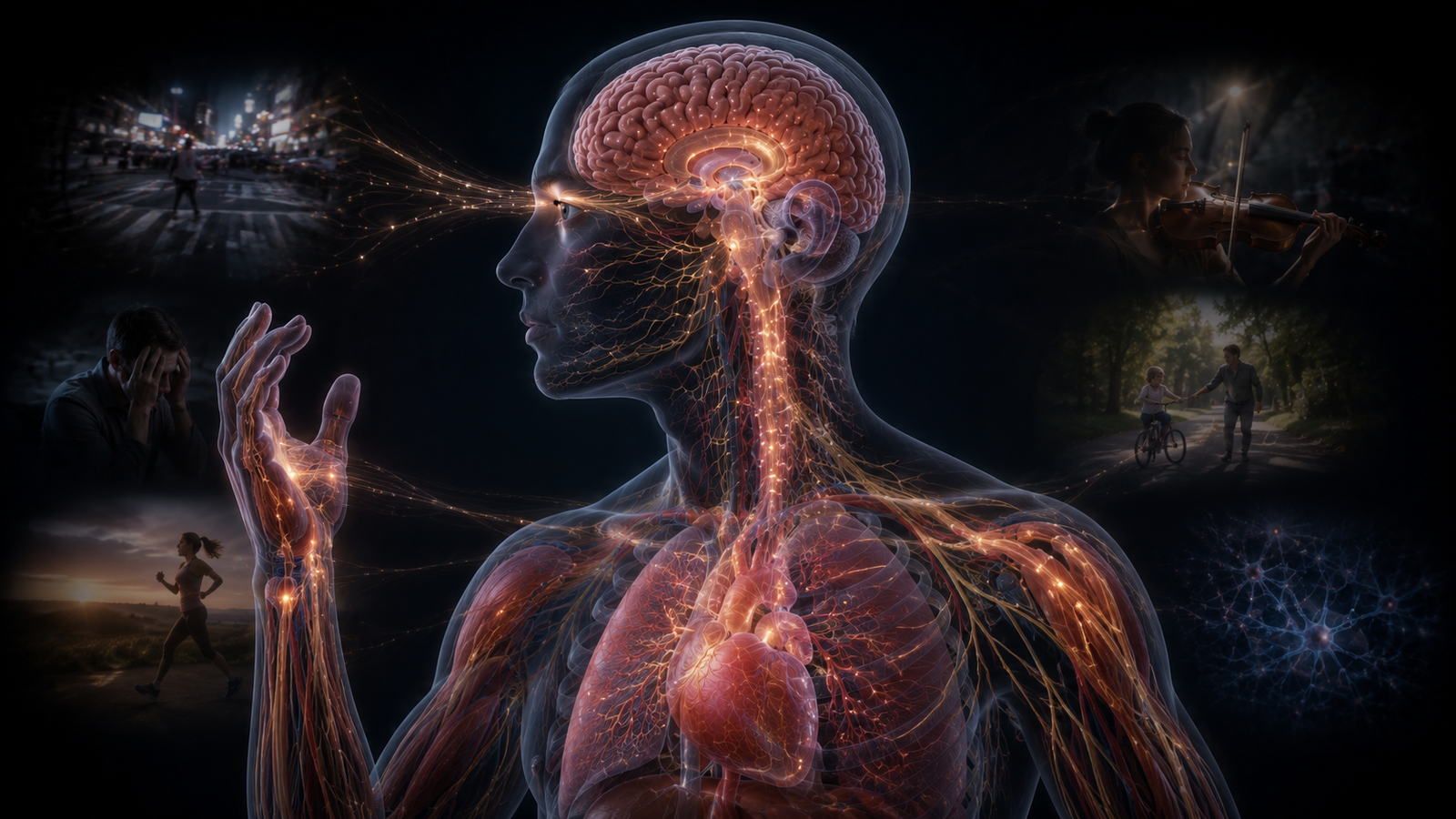
The brain and spinal cord form the central nervous system. The peripheral nervous system connects them with the rest of the body through an extensive network of nerves.
Information travels continuously in both directions.
Your eyes send visual information toward the brain. Your ears send auditory information. Receptors in your skin report pressure and temperature. Internal organs provide information about the body’s condition.
The brain processes these signals and generates responses. It then receives new information about what happened.
This creates a continuous feedback loop between the brain, body, and environment.
You are therefore not simply receiving information. Your brain is continuously interpreting it, responding to it, and using the results to guide what happens next.
Different Brain Regions Have Different Roles
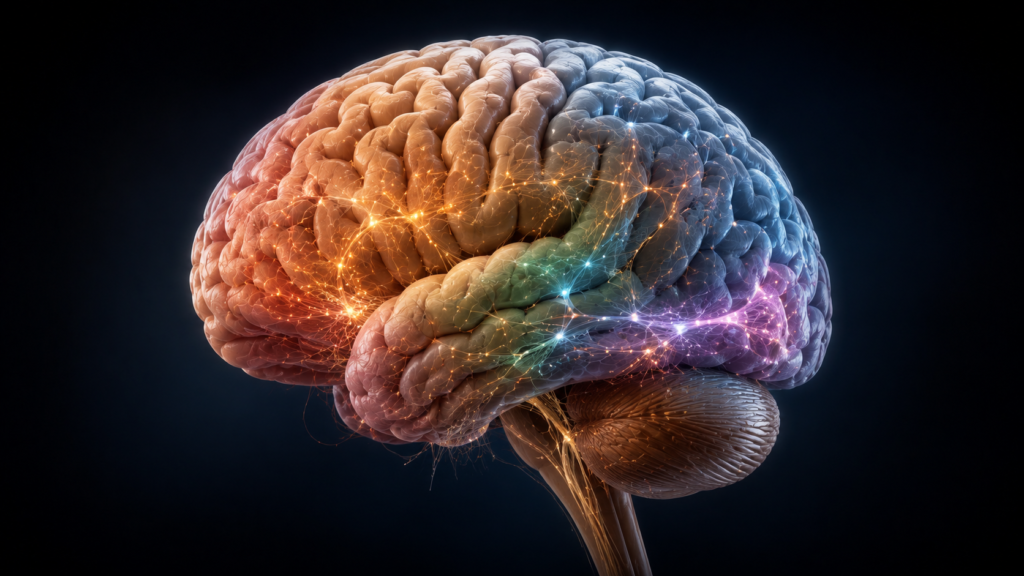
The cerebrum is the largest part of the human brain. Its outer surface, the cerebral cortex, contains networks involved in perception, movement, language, memory, attention, planning, and other complex functions.
The cortex is commonly divided into four major lobes.
The frontal lobe contributes to planning, decision making, attention, working memory, voluntary movement, language production, and aspects of behavior.
The parietal lobe contributes to touch, spatial awareness, body representation, and the integration of sensory information with action.
The temporal lobe contributes to hearing, language comprehension, memory, recognition, and aspects of emotional processing.
The occipital lobe plays a major role in visual processing.
These divisions provide a useful anatomical map, but they are not separate functional boxes. Complex abilities usually depend on communication between multiple regions.
How Your Brain Turns Signals Into Experience
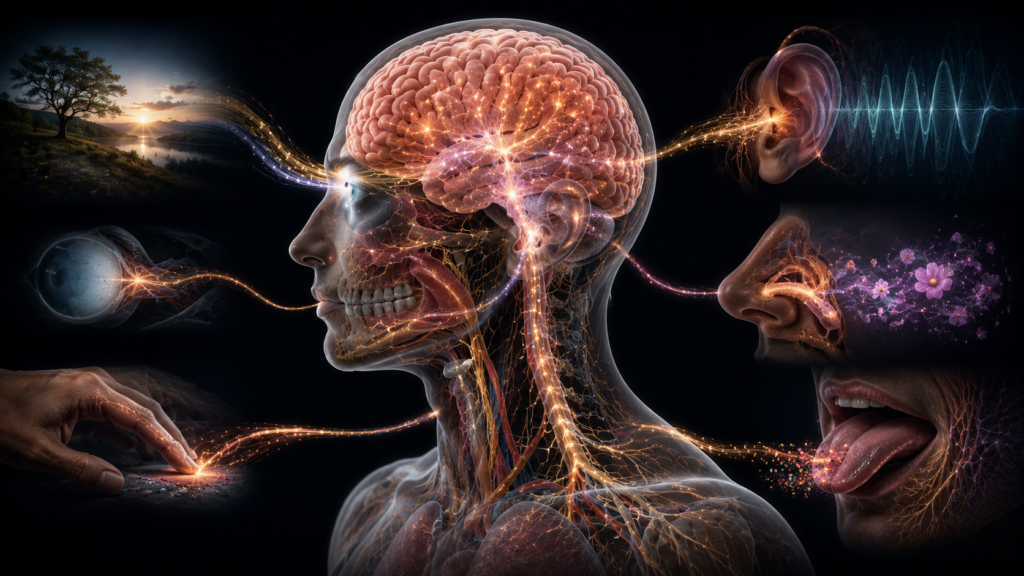
Seeing is not simply a matter of your eyes sending an image to your brain.
Light enters the eye and reaches the retina. Photoreceptors and neural circuits begin processing the information. Visual pathways then carry signals toward several brain regions.
The visual cortex processes information about features such as edges, contrast, movement, color, shape, and spatial relationships. Your brain combines these signals and constructs your visual experience.
Hearing follows a similar principle. Sound produces mechanical vibrations in the ear. The cochlea converts those vibrations into electrical signals, which travel through auditory pathways toward the brain. The brain processes patterns in the signals and turns them into recognizable sounds, words, and meaning.
Smell and taste show the same principle in different ways. Smell has strong connections with systems involved in memory and emotion, which helps explain why a familiar smell can suddenly bring back a vivid memory. Taste is combined with smell, texture, temperature, and other information to produce the experience of flavor.
Your senses therefore provide the raw information. Your brain constructs the experience.
How Your Brain Controls Movement
Movement begins with intention.
Imagine deciding to pick up a cup. Your brain determines the desired movement. Motor networks generate commands, signals travel through the spinal cord, and peripheral nerves carry those signals toward your muscles.
At the same time, sensory systems report what is actually happening.
The cerebellum contributes to coordination, balance, timing, precision, and motor learning. It helps compare intended movement with sensory feedback and contributes to corrections.
Balance works through the same principle. Your brain combines information from vision, the vestibular system in the inner ear, and proprioceptors in your muscles, tendons, and joints.
When you close your eyes, one source of information disappears. Your brain must rely more heavily on vestibular and proprioceptive signals.
Balance is therefore an ongoing process of sensory integration.
How the Brain Keeps Your Body Running
You do not normally need to consciously command every breath or heartbeat.
The brainstem contains networks involved in breathing, cardiovascular regulation, blood pressure, alertness, and protective reflexes.
Breathing provides a simple example. Brainstem networks generate rhythmic respiratory activity. Signals reach respiratory muscles, including the diaphragm. The diaphragm contracts, air enters the lungs, and the cycle continues.
The hypothalamus handles another set of essential tasks. It helps regulate body temperature, hunger, thirst, sleep-wake cycles, hormonal control, and autonomic functions.
When your body becomes too warm, the hypothalamus can activate mechanisms that increase heat loss. When temperature falls, it can contribute to mechanisms that conserve or generate heat.
The brain is therefore continuously regulating internal conditions while you remain focused on other things.
How Neurons Communicate
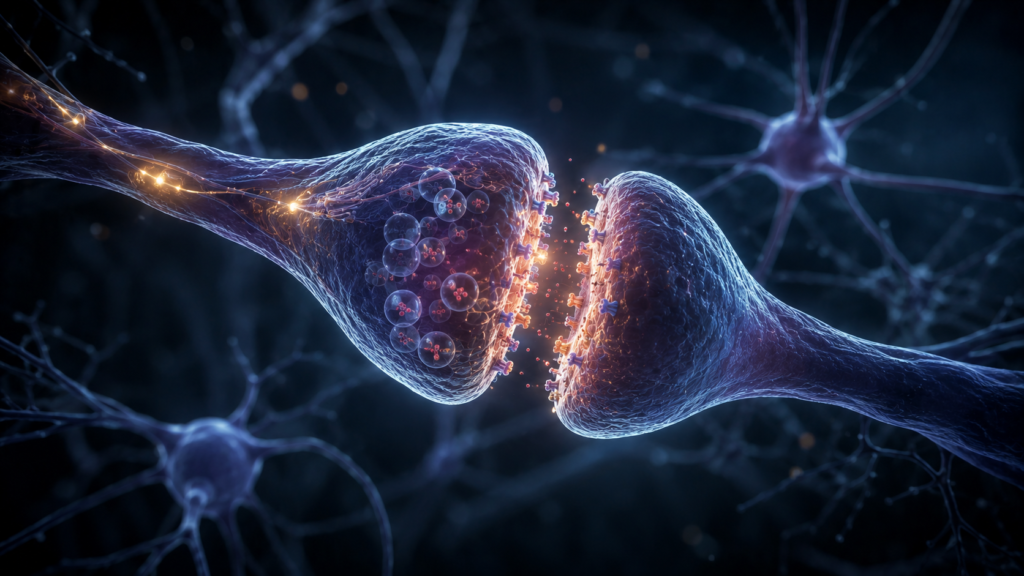
Neurons are specialized cells that communicate through electrical and chemical signals.
A neuron can receive information, process incoming signals, and transmit an electrical signal along its axon. At a synapse, chemical neurotransmitters can cross the gap between cells and influence the receiving cell.
The brain uses many neurotransmitters, including glutamate, GABA, dopamine, serotonin, acetylcholine, and norepinephrine.
Their effects depend on the neural circuits in which they act. This is why the brain cannot be accurately explained by simple formulas such as one chemical producing one emotion.
Neural communication also depends on supporting structures. Many axons are covered by myelin, which helps electrical signals travel efficiently. Glial cells provide metabolic, structural, immune, and signaling support.
The brain therefore depends on a coordinated cellular system, not neurons working alone.
Memory, Emotion, and Attention Work Together
The hippocampus contributes to forming and organizing certain types of memory, particularly episodic and spatial memory.
But memory is not stored as a perfect recording in one location.
When you encounter new information, groups of neurons become active in coordinated patterns. Synaptic strength can change, and repeated activity can make some changes more stable.
Learning therefore changes the nervous system.
Emotion also influences how information is processed. The amygdala contributes to emotional significance, threat processing, fear learning, and emotional memory. It does not simply create fear. Emotional experiences involve interactions among the amygdala, hypothalamus, brainstem, hippocampus, prefrontal cortex, body signals, and other systems.
Attention adds another layer.
Your senses constantly provide more information than you can consciously process. Attention selects some information for enhanced processing.
You can focus on one voice in a crowded room while filtering background sounds. You can concentrate on a difficult problem while ignoring other stimuli.
Memory, emotion, and attention therefore influence one another continuously.
Your Brain Can Change
Neural connections are not fixed.
Their strength can change. Some connections become stronger while others become weaker. New connections can form, and existing connections can be modified or eliminated.
This ability is called neuroplasticity.
Learning is one example. When you first learn a new skill, the relevant pathways may be inefficient. With repetition, neural circuits can become more effective, and the skill can become easier.
The same principle contributes to adaptation after injury. Other networks may sometimes compensate when a pathway is damaged, and rehabilitation uses repeated practice to encourage functional adaptation.
Neuroplasticity is real, but it does not mean unlimited change. The brain’s ability to adapt depends on biological and environmental conditions.
Sleep Helps the Brain Function
Sleep does not simply switch the brain off.
Brain activity changes during sleep, and different sleep stages have different patterns.
Sleep supports multiple physiological and cognitive functions. It can contribute to memory consolidation, although the relationship varies according to the type of memory and sleep stage.
Dreaming can occur during multiple sleep stages and is often particularly vivid during REM sleep.
The brain remains active while sensory input from the external environment is reduced. The exact function of dreaming remains an active area of research.
The Brain Needs Constant Support
The brain uses a large amount of energy relative to its size.
Neurons require energy to maintain electrical gradients, communicate, and maintain themselves. Under normal conditions, glucose is a major energy substrate for the brain, while oxygen is continuously required.
Blood delivers these resources through a dense vascular network.
The brain also needs protection. The blood-brain barrier helps regulate what enters brain tissue, creating a controlled environment for sensitive neural cells.
Glial cells provide additional support. Astrocytes help regulate the environment around neurons and contribute to metabolic support. Oligodendrocytes produce myelin. Microglia provide immune surveillance and respond to injury and infection.
The brain therefore depends on a complete support system surrounding its neurons.
Your Brain Does Not Simply Record Reality
Your brain continuously generates expectations about incoming information.
It compares those expectations with sensory signals. When the information does not match, the brain can update its model.
This predictive process contributes to perception, learning, and decision making.
It also explains why perception can sometimes be misleading.
Your brain interprets incomplete sensory information using prior knowledge, context, expectations, and incoming signals. Optical illusions demonstrate this clearly.
Pain provides another example. Nociceptive signals provide information about potentially damaging stimuli, but the brain processes those signals alongside context, emotion, attention, and previous experience.
The same physical stimulus can therefore produce different pain experiences in different situations.
Perception is an active process of interpretation, not a perfect recording of the outside world.
The Brain and the Rest of the Body
The brain is in constant communication with the body’s organs.
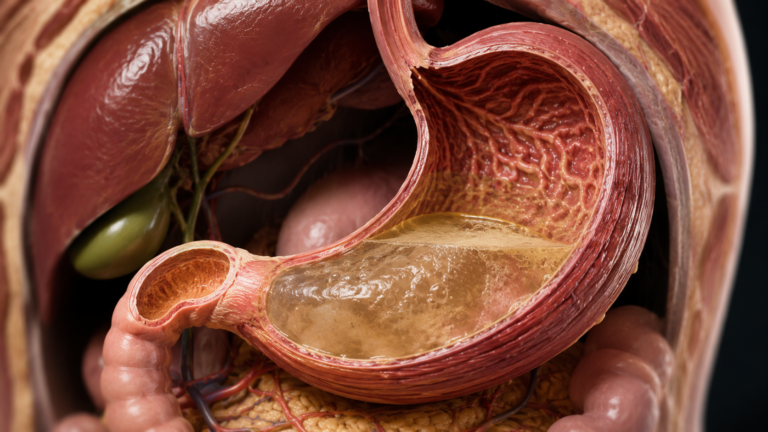
The gastrointestinal system communicates with the brain through nerves, hormones, immune signals, and microbial metabolites. The vagus nerve provides an important communication pathway, while the brain influences gastrointestinal function through autonomic pathways.
The relationship works in both directions.
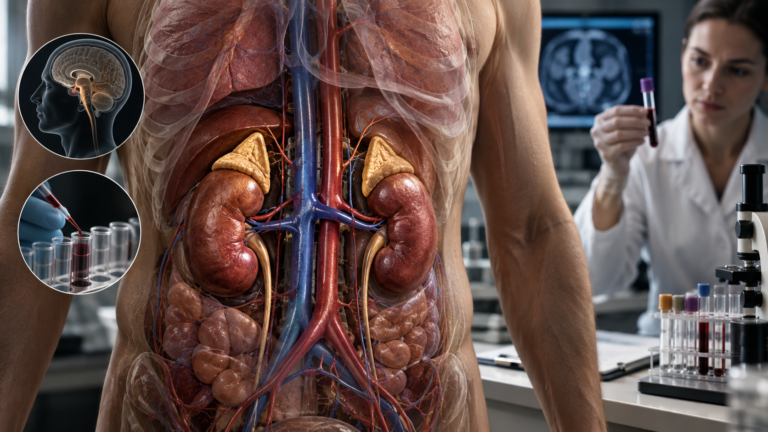
The same principle applies to other body systems. The brain communicates with the heart, digestive system, immune system, endocrine system, muscles, and other organs.
Your brain is therefore part of a larger biological system rather than an isolated organ.
What We Still Do Not Fully Understand
Neuroscience can describe many processes inside the brain.
We can study neurons, synapses, brain regions, networks, sensory processing, memory, learning, and changes caused by experience or injury.
But some fundamental questions remain open.
Consciousness is one of them.
Consciousness involves awareness of yourself and your surroundings and is associated with activity across distributed brain networks.
There is no single small structure that can be identified as the entire source of consciousness.
Neuroscience can identify neural activity associated with perception and awareness, but the complete explanation of subjective experience remains unresolved.
The Brain at Work
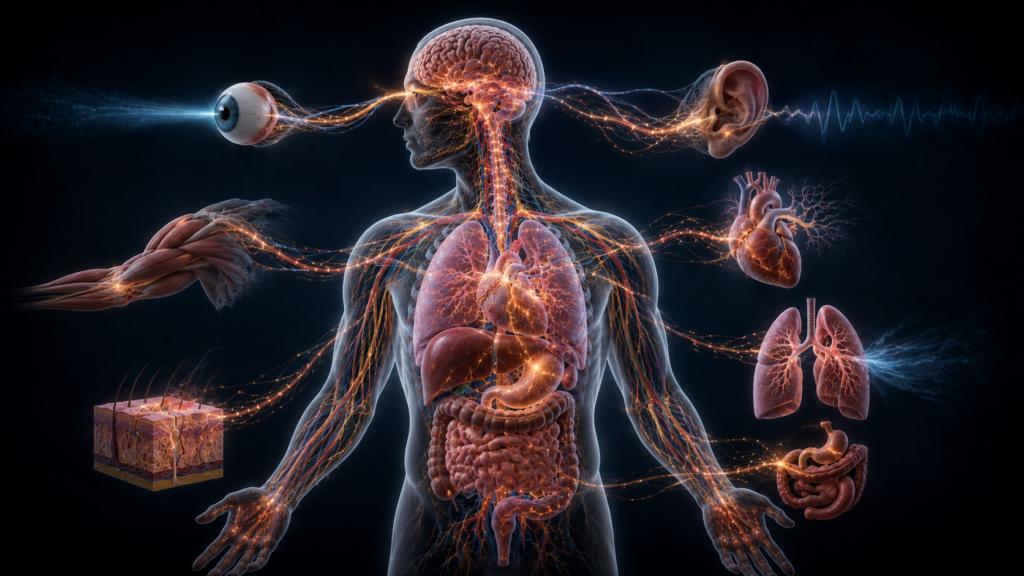
Consider what happens when you recognize a familiar person.
Light enters your eyes. Visual systems process the incoming pattern. Brain networks analyze the face. Memory systems help identify the person. Emotional and social systems may add significance.
Attention determines what you focus on.
Your body may respond.
All of these processes occur as one integrated system.
The same principle applies when you read, speak, walk, remember, learn, eat, or make a decision.
Your brain receives information, compares it with previous experience, generates predictions, evaluates significance, controls responses, and updates itself based on what happens next.
That is the central idea behind understanding the human brain.
It is not a collection of separate parts.
It is a living network.
Key Takeaways
- Your brain is an interconnected biological system that continuously exchanges information with the body and environment.
- Different brain regions have specialized contributions, but complex functions depend on communication between networks.
- Sensory systems provide information that the brain actively interprets.
- Neurons communicate through electrical and chemical signals.
- Memory, emotion, and attention depend on interacting neural systems.
- Neuroplasticity allows the brain to change through learning and experience, within biological limits.
- The brain continuously regulates movement, breathing, temperature, hunger, thirst, and other internal functions.
- Sleep supports important physiological and cognitive processes.
- The brain depends on continuous oxygen, glucose, blood flow, and cellular support.
- Prediction and prior experience influence perception.
- The brain communicates continuously with the rest of the body.
- Consciousness remains an open scientific question.
Conclusion
Your brain is far more than a control center inside your skull. It is a living, changing network.
Neurons communicate through electrical and chemical signals. Brain regions specialize in different tasks, but complex functions emerge from their interaction.
Your senses provide information, and your brain interprets it. Your motor systems turn intentions into movement. Your memory systems preserve and reconstruct experience.
Your emotional and attention systems influence what matters. Your hypothalamus and brainstem help keep your internal environment stable. Your neural networks change as you learn and adapt.
Even while you sleep, your brain continues its work. Millions of biological events occur every moment.
You experience the result as seeing, hearing, remembering, feeling, thinking, deciding, and moving.
The brain does not simply record the world. It continuously processes information, predicts what may happen, regulates the body, learns from experience, and builds your ongoing experience of reality.
That is the science behind the human brain.
Explore more evidence-based explanations of the human body, neuroscience, and how biological systems work in CAVELYRA’s Body & Health collection.