
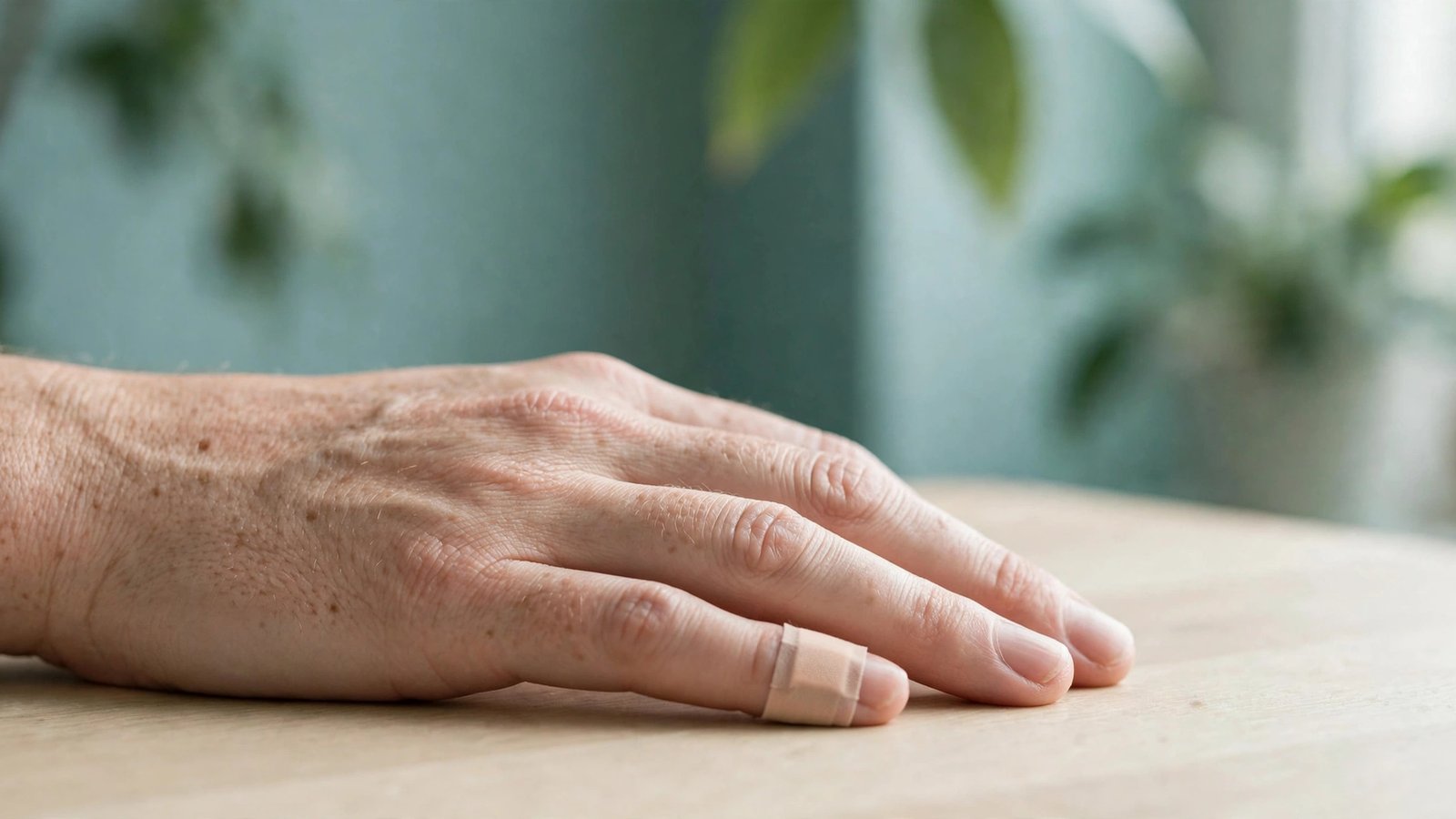
You catch your finger on a rough edge, and for a moment it stings. A few days later the sting is gone — but now the cut itches. Not a little. Enough to make you stare at it, flex the finger, and fight the urge to scratch.
It feels backwards. The wound is closing, the worst is over, and yet the skin demands attention more than it did on the day you were hurt. The itch is not a mistake, though. It is a side effect of the repair work going on underneath.
Quick answers
- Why do cuts itch when they heal?: A healing cut itches because the repair process stimulates the skin's itch nerves. Chemical signals from immune cells, nerve endings growing back, and dry new skin under a scab all send itch signals to the brain. [1][2][5]
- Does itching mean the cut is healing well?: Usually, yes. Itching on its own is a normal part of healing, most common in the later stages as new tissue forms. But itching alone cannot confirm how a wound is healing — it has to be judged with the other symptoms. [1]
- When should itching worry you?: When it comes with spreading redness, swelling, warmth, pus, worsening pain, or a fever. Those signs suggest the wound may be infected and should be checked by a healthcare professional. [1][4]
The four stages of healing itself — stopping the bleeding, inflammation, rebuilding tissue, and remodelling [7] — are explained in How Does Your Body Heal a Wound? This article answers a different question: not how a cut heals, but why it itches while it does. The answer has three parts, and they overlap. Chemical messengers switch the itch on. Nerve endings growing back make the skin extra sensitive. And the scab and the dry new skin underneath add their own irritation.
Why Does a Healing Cut Itch at All?
Your skin is full of nerve fibres that sense touch, pain, pressure — and itch. The itch fibres are separate from the pain fibres. When they fire, the brain reads the signal as an itch, and the hand moves to scratch before you have thought about it. [2][5]
A healing cut keeps those fibres busy. As new tissue forms and the wound closes, the body runs a series of repair processes that can trigger itching. It is most common in the later stages of healing, when the skin is rebuilding, tightening and becoming more sensitive. [1]
The itch usually appears a few days after the injury, once the early bleeding and swelling have settled and new tissue starts to form. That timing is a clue. The itch is not the injury itself. It is the repair work, and the repair work is noisy.
What Does Histamine Do in a Healing Wound?
When skin is cut, white blood cells such as neutrophils and macrophages move into the area to clear damaged tissue and guard against germs. As part of this inflammatory response, a chemical called histamine is released. [1]
Histamine does useful work. It increases blood flow to the wound, helps immune cells reach the area, and supports the body’s response to injury. But it also stimulates the nerve endings in the skin — and that stimulation is felt as itching. [1] Histamine is the same chemical that makes a mosquito bite itch, which is why a healing cut can feel oddly like an allergy. [2]
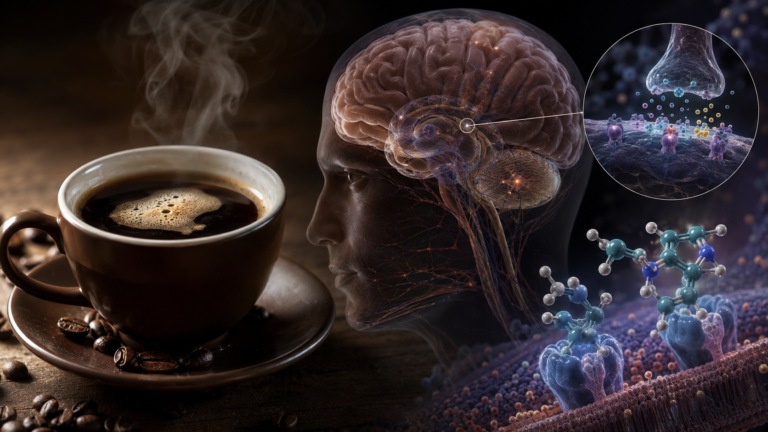
Histamine is not the only messenger involved. Immune cells also release cytokines and interleukins, a family of signalling molecules that can switch on itch nerves. [3] One of them, interleukin-31, is made by immune cells called dendritic cells in healing wounds, and research has shown it directly activates itch-sensing neurons. [3] The way the immune system drives this whole process is explained in How Does Your Immune System Work?
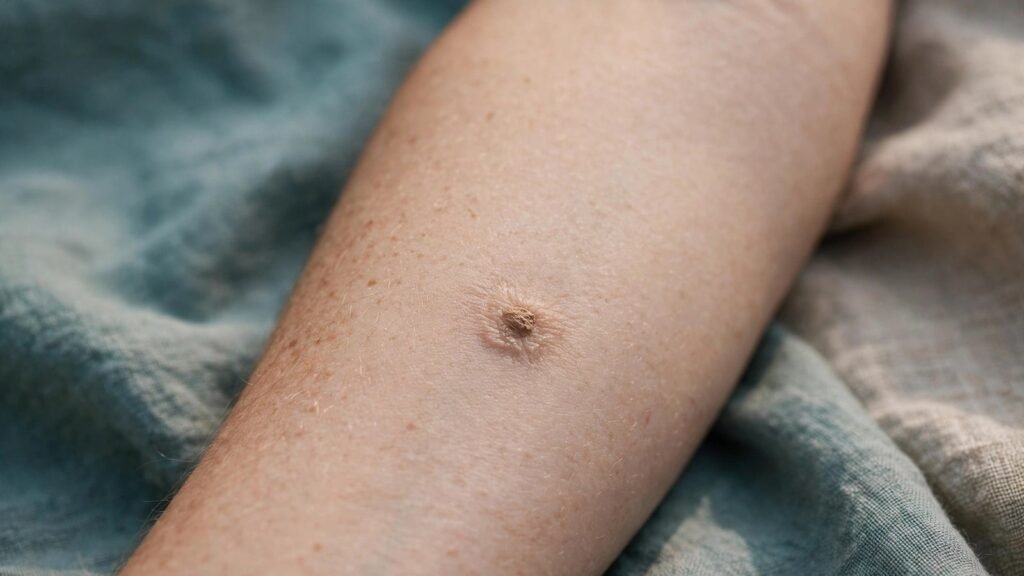
So the itch is, in a sense, a false alarm. The chemicals that cause it are the same ones doing the repair. The nerves report irritation, the brain reads itch, and the repair carries on underneath.
Why Do Nerves Make the Itch Worse as They Regrow?
A cut does not only break the skin. It also damages the tiny nerve endings in the injured area. As the wound heals, those nerves grow back — and while they regrow, they are often more sensitive than normal. [1]
That extra sensitivity is why the itch can come and go. As nerve pathways repair and reconnect, they may fire at the lightest touch or the smallest chemical signal. The feeling gradually settles as the nerves finish regrowing, but itching may return in waves during the process. [1] Deeper cuts, burns and surgical wounds are more likely to itch this way, because more nerve endings were damaged in the first place. [1]
New nerve fibres are also very sensitive to the chemical messengers around them, such as histamine. The fibres carry the signal to the spinal cord and the brain, which reads it as an itch. [5] It is a normal part of the nerves finding their way back, not a sign that something has gone wrong.
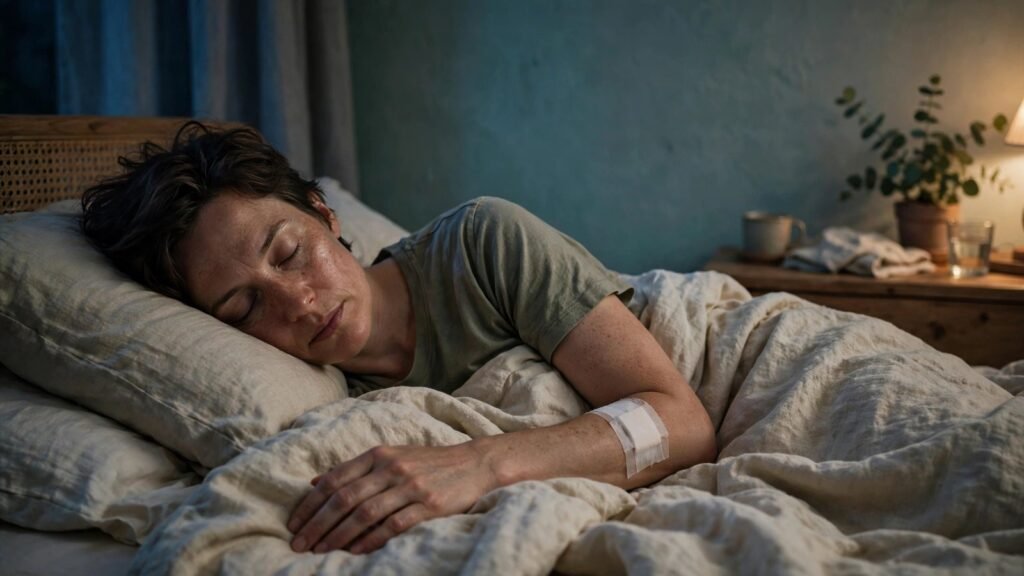
The itch often feels worse at night, and there are a few reasons for that. With fewer distractions, the sensation is easier to notice. Dry air and less movement can also make the skin feel tighter, which adds to the urge to scratch. [1] Levels of cortisol, the body’s main anti-inflammatory hormone, fall to their lowest in the late evening, so the itch-driving chemicals near the wound act with fewer brakes. [3]
What Do the Scab and Dry Skin Add to the Itch?
As a cut heals, a scab forms to protect the new skin growing underneath. The scab is the dried outer part of the clot, and as it dries and hardens it can irritate the nerve endings nearby. [1][2] A dry, crusty scab stimulates an itchy feeling in much the same way a dry patch of skin does.
The new skin itself is dry too. While the wound heals, moisture levels in the skin can fall, leaving the area around the cut dry and tight. [1] Scar tissue makes this worse: it contains fewer oil and sweat glands than normal skin, so it stays drier and less flexible as it matures. [1]
The tightening of the healing skin is often blamed for the itch, and it is true that the wound contracts as new tissue forms. [1] But the evidence points most strongly to the chemical signals, not to stretching alone. Research on wound itch has found that inflammatory chemicals are the main driver, and there is no good evidence that the itch comes from the skin simply pulling. [3]
So the scab and the dryness add to an itch that the chemicals and the nerves have already started. That is also why the simplest relief often comes from dealing with the dryness first.
What Helps With the Itch — and What Should You Avoid?
The first rule is the hardest one: do not scratch. Scratching can tear the new skin cells the body is producing, reopen the wound, and let germs in. It can delay healing and raise the risk of infection. [1][2] Keeping the wound covered helps, because the cover makes scratching less tempting and shields the area from friction. [1]
A cool compress is one of the simplest ways to calm the itch. Wrap an ice pack or a cold cloth in a soft towel and hold it against the area for 10 to 15 minutes at a time. Do not put ice directly on the skin. The cold calms the skin and reduces its sensitivity for a while. [1] Healthline’s guidance gives a similar limit: a cold compress for no longer than 20 minutes. [2]
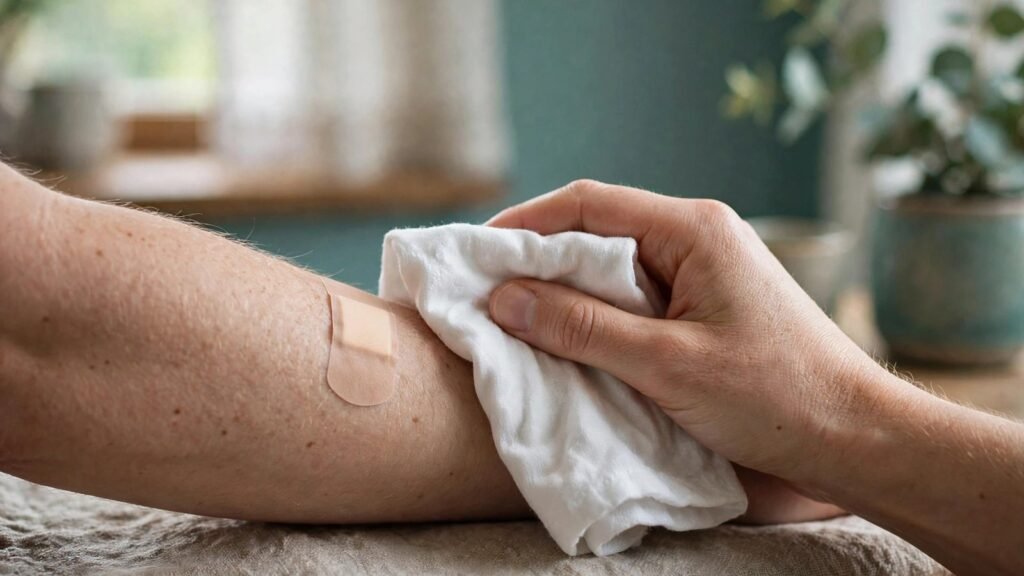
Moisturising the skin around the wound also helps, because dry skin makes the itch worse. Use a gentle, fragrance-free moisturiser on the surrounding skin only, not on the open wound itself. A thin layer of petroleum jelly can reduce dryness in the same way. [1] Loose, breathable clothing limits further irritation from rubbing and sweat. [2]
Some creams may help, but only in the right place. Calamine lotion or a mild hydrocortisone cream can ease itching on the skin around a wound, but they should not be put directly on open wounds unless a healthcare professional has advised it. [1] If the itching is severe or keeps you awake, a doctor or pharmacist can advise on other options. [1][2]
When Does Itching Mean You Should See a Doctor?
Itching on its own is usually normal, and it often means repair is under way. But itching alone cannot confirm how a wound is healing. It should always be judged alongside the other symptoms. [1]
The signs that a wound may be infected are different from the itch itself. Look for redness spreading around the wound, swelling or warmth in the surrounding skin, pus or unusual discharge, pain that gets worse instead of better, or feeling generally unwell or feverish. [1] Severe or worsening itching can also point to dry skin, a reaction to a dressing or ointment, or an infection underneath. [6] If any of these appear, the wound should be checked by a healthcare professional.
The NHS advises seeking urgent medical help if a cut is swollen, red and getting more painful, or pus is coming out of it; if the cut is larger than around 5 centimetres (2 inches); if you were bitten by a person or an animal; or if you feel generally unwell or have a high temperature. [4] A cut that will not stop bleeding, or one with something stuck in it, needs emergency care. [4]
There is also a time limit worth knowing. Most small cuts stop itching within about four weeks, depending on size and depth. If a wound has not healed after about a month, or the itching persists, a doctor should look at it to rule out infection or another problem. [2] Scars can go on itching now and then for months, because the tissue underneath keeps remodelling — but a scar that becomes very itchy, painful or raised is also worth mentioning to a doctor. [1]
Key Takeaways
- A healing cut itches because repair chemicals, regrowing nerves and dry new skin all stimulate the skin’s itch nerves.
- Histamine and other messengers from immune cells drive repair — and switch the itch on as a side effect.
- Nerve endings damaged by the cut grow back extra sensitive, so the itch can come and go for weeks.
- A dry scab and dry new skin add to the itch, and the evidence points mainly to chemical signals rather than the skin stretching.
- Cooling, covering and moisturising the skin around the wound help; scratching tears new skin and can delay healing.
- Itching alone is usually normal, but spreading redness, pus, worsening pain or a fever mean the wound should be checked.
Conclusion
A cut itches when it heals because healing is loud work. Immune cells release histamine and other messengers to clear damage and rebuild tissue, and those same messengers fire the itch nerves. Nerve endings grow back more sensitive than before. A scab dries over the top, and the new skin underneath is dry and tight. Each of these adds a little more itch, and together they explain why a wound that no longer hurts can still demand so much attention.
The itch is usually a sign that repair is under way, not that something has gone wrong. The sensible response is to protect the wound, keep the surrounding skin cool and moisturised, and leave the scab alone. And when the itch comes with spreading redness, pus, worsening pain or a fever, that is the moment to stop waiting and get the wound checked.
This article is for general information only and is not a substitute for medical advice. If a wound is not healing, shows signs of infection, or you have a condition that affects healing, talk to a healthcare professional.
Explore more evidence-based explanations of human physiology, health, and the body in CAVELYRA’s Body & Health collection.
References
- Elastoplast. Why Do Wounds Get Itchy? Causes and Care. https://www.elastoplast.co.uk/did-you-know/health-and-protection/itchy-wounds
- Healthline. Why Do Scabs Itch? Causes and Treatments. https://www.healthline.com/health/why-do-scabs-itch
- Science ABC. Why Do Healing Wounds Itch? https://www.scienceabc.com/humans/why-do-healing-wounds-itch
- NHS. Cuts and grazes. https://www.nhs.uk/conditions/cuts-and-grazes/
- Klarity Health Library. Post Wound Itch: Causes and Remedies. https://my.klarity.health/post-wound-itch-causes-and-remedies/
- West Coast Wound. Why Wounds Itch During Healing & How to Stop It. https://westcoastwound.com/faq/why-wounds-itch-during-healing/
- NCBI StatPearls. Wound Healing Phases. https://www.ncbi.nlm.nih.gov/books/NBK470443/